




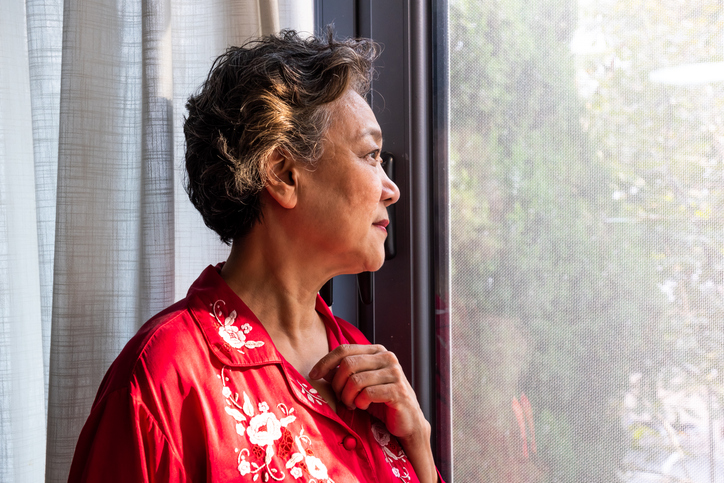
You may experience:
- Shock or confusion at your CLL diagnosis, especially during the “active observation” period
- Anxiety about testing, CLL progression, or possible future treatment
- Feeling low or sad due to uncertainty and lifestyle changes
- Fatigue or difficulty sleeping
- Stress about work, family roles, or daily functioning
- Loneliness, even with strong support networks
These reactions are normal and do not mean that you are coping poorly.
Caregivers may also feel overwhelmed, worried, exhausted, or unsure how best to help. Please see our mental health resources for CLL caregivers.
Seeking professional help is a sign of strength. Consider asking your doctor for a referral if you:
- Feel persistently overwhelmed or hopeless
- Experience panic attacks
- Have difficulty completing daily activities
- Notice changes in appetite, sleep, or concentration
- Are using alcohol or substances as a coping tool
- Have a history of anxiety, depression, or trauma
- Find yourself withdrawing from activities or relationships
Cancer-experienced psychologists, counselors, social workers, or psychiatrists can offer meaningful support.
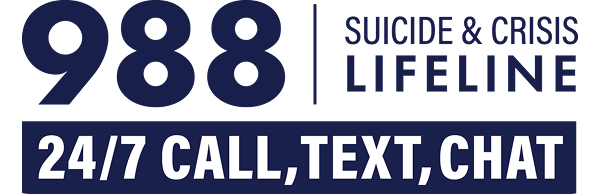
Contact emergency services immediately if you or someone you care for:

Talks about self-harm or suicide
-
Has a plan or intent to hurt themselves
-
Expresses that they no longer want to live
Mental & Emotional Well-Being for CLL Patients
Connecting with others can help you feel understood and less alone. You may find support through:
-

Short breaks throughout the day
-
Light physical activity, such as walking or stretching (if appropriate for you)
-
Mindfulness or breathing exercises
-
Healthy sleep routines
-
Creative outlets, such as journaling, music, or art
-
Setting boundaries—it is okay to say
“I need a few minutes”

Daily Practices that May Help
-
Light movement (walking, stretching) if appropriate
-
Mindfulness, breathing exercises, or meditation
-
Keeping a simple journal
-
Setting limits on how often you check lab results or online forums
-
Establishing regular sleep routines
-
Enjoying activities such as music, art, reading, or being outdoors
BeOne Community Resource
Talk About It elevates and amplifies the underserved intersection of cancer care and mental health to help improve outcomes for cancer patients. Through a flagship website and unique patient and provider-focused tools and resources, Talk About It empowers those impacted by cancer to address the mental health needs associated with a cancer diagnosis and engage in important conversations to drive change and advance equitable access to care for all.

Community Resources
Blood Cancer United provides free information and support services, funds lifesaving blood cancer research worldwide, and is the voice for all blood cancer patients seeking access to quality, affordable, coordinated care.
CSC is a global nonprofit network with over 200 locations in 50 markets, including CSC and Gilda’s Club centers as well as healthcare partnerships. These locations, along with a toll-free helpline (CSC-867-5309), digital services, and award-winning education materials, provide more than $50 million in free support services to patients and families each year.
CLL Society is the world’s leading authority for chronic lymphocytic leukemia and small lymphocytic lymphoma cancer patients. We are devoted to serving our community through CLL and SLL education, support, advocacy and research.
Crossroads4Hope is working to ensure that, beyond medicine, everyone affected by cancer has access to the supportive cancer care they deserve. Toward this aim, at no charge, we provide people of all ages diagnosed with cancer, caregivers and families with support, information, resources, and professionals essential to living through and beyond cancer with strength and hope, so that no one faces cancer alone.
The Lymphoma Research Foundation is the nation’s largest nonprofit dedicated exclusively to lymphoma. We provide trusted information, expert-led educational resources, and community support to people affected by Hodgkin lymphoma, non-Hodgkin lymphoma, and chronic lymphocytic leukemia.
Many national cancer nonprofits provide mental health guidance, caregiver support, and navigation help. Talk with your healthcare team about local and online options.


Medical Disclaimer:
This information is for educational purposes only and does not replace professional medical advice. Always speak with your healthcare provider regarding your specific situation.
Mental Health Disclaimer:
If you are experiencing significant emotional distress, please seek support from a qualified mental health professional.
Organizational Disclaimer:
Mentions of support organizations are for general informational purposes. This page does not endorse these organizations or their services.


